
01
Calendar data tells Jibbie who is really coming
Invites, acceptances and access-control taps are read together, so the room-fit model works from physical attendees rather than the size of the invite list.

Most wasted meeting space is a sizing problem, not a supply problem. Jibbie's AI reads calendar data and real attendance signals, then matches every meeting to a room that genuinely fits it — and books an approved venue nearby when the office is full.
How the automation works
Three automated stages replace the hunt for a free room and the habit of over-booking one.
Invites, acceptances and access-control taps are read together, so the room-fit model works from physical attendees rather than the size of the invite list.
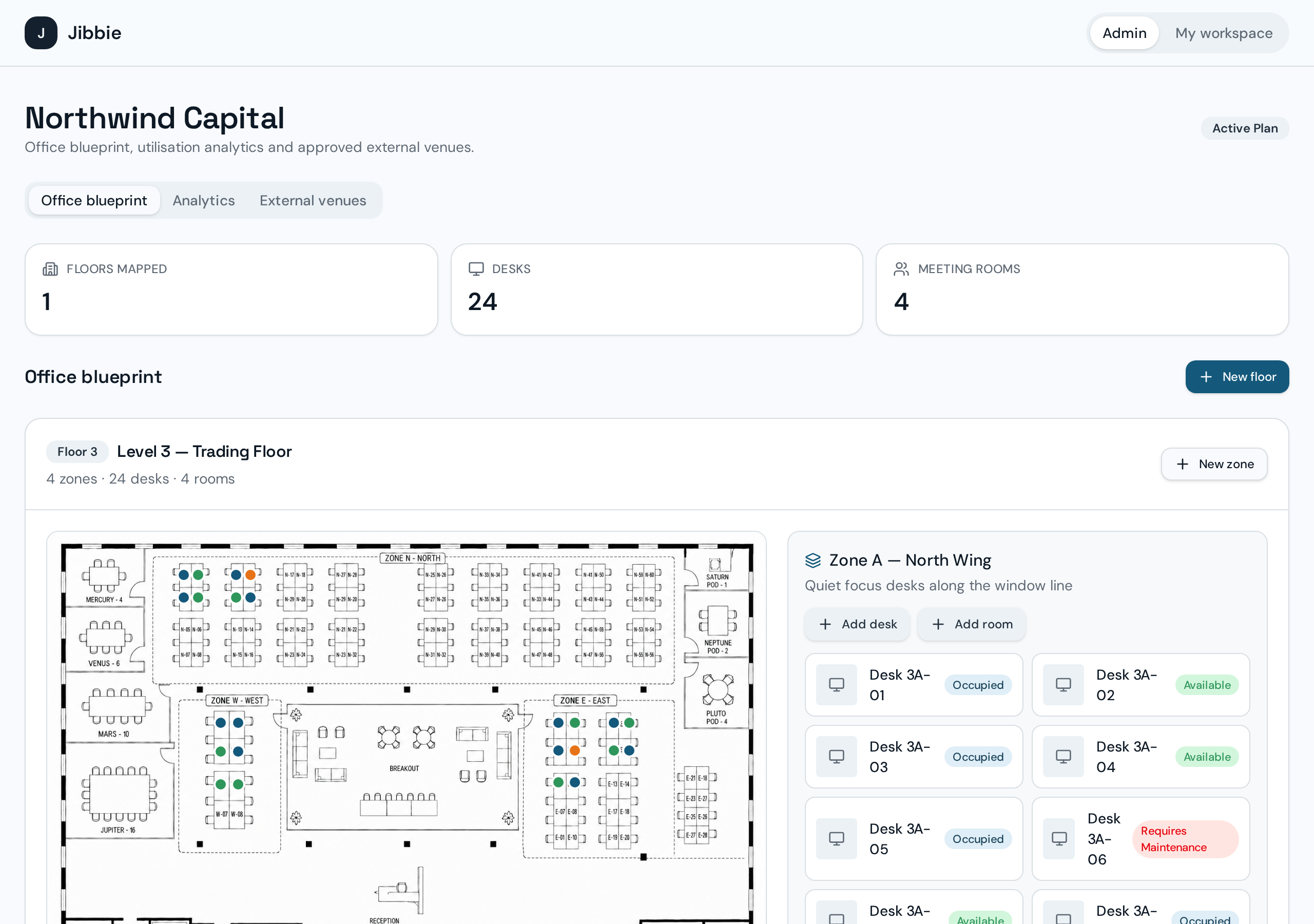
Rooms are modelled once with capacity and equipment. After that every meeting is matched automatically, ending the twelve-seat boardroom for two and the four-person crush in a huddle booth.
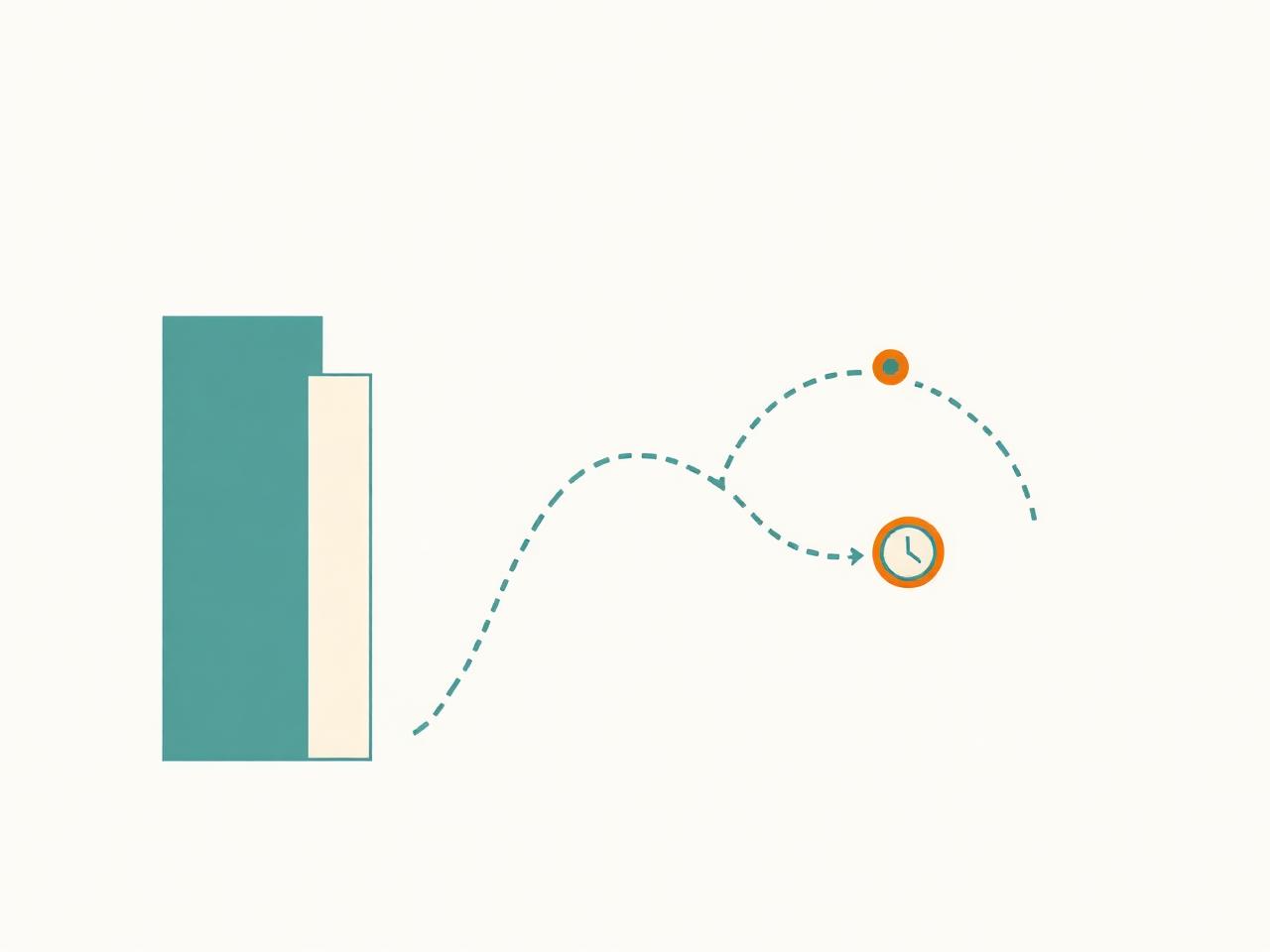
An approved nearby venue is reserved and a travel buffer is written into the calendar, so a full floor never becomes a cancelled meeting.
30–40%
of office space typically sits unused
Oversized room bookings are one of the biggest contributors — and the easiest to automate away.
20–30%
footprint reduction within reach
Room capacity efficiency logs give you evidence for consolidation instead of a survey and a hunch.
Zero
room hunts per meeting
Organisers set the agenda; Jibbie decides where it happens.
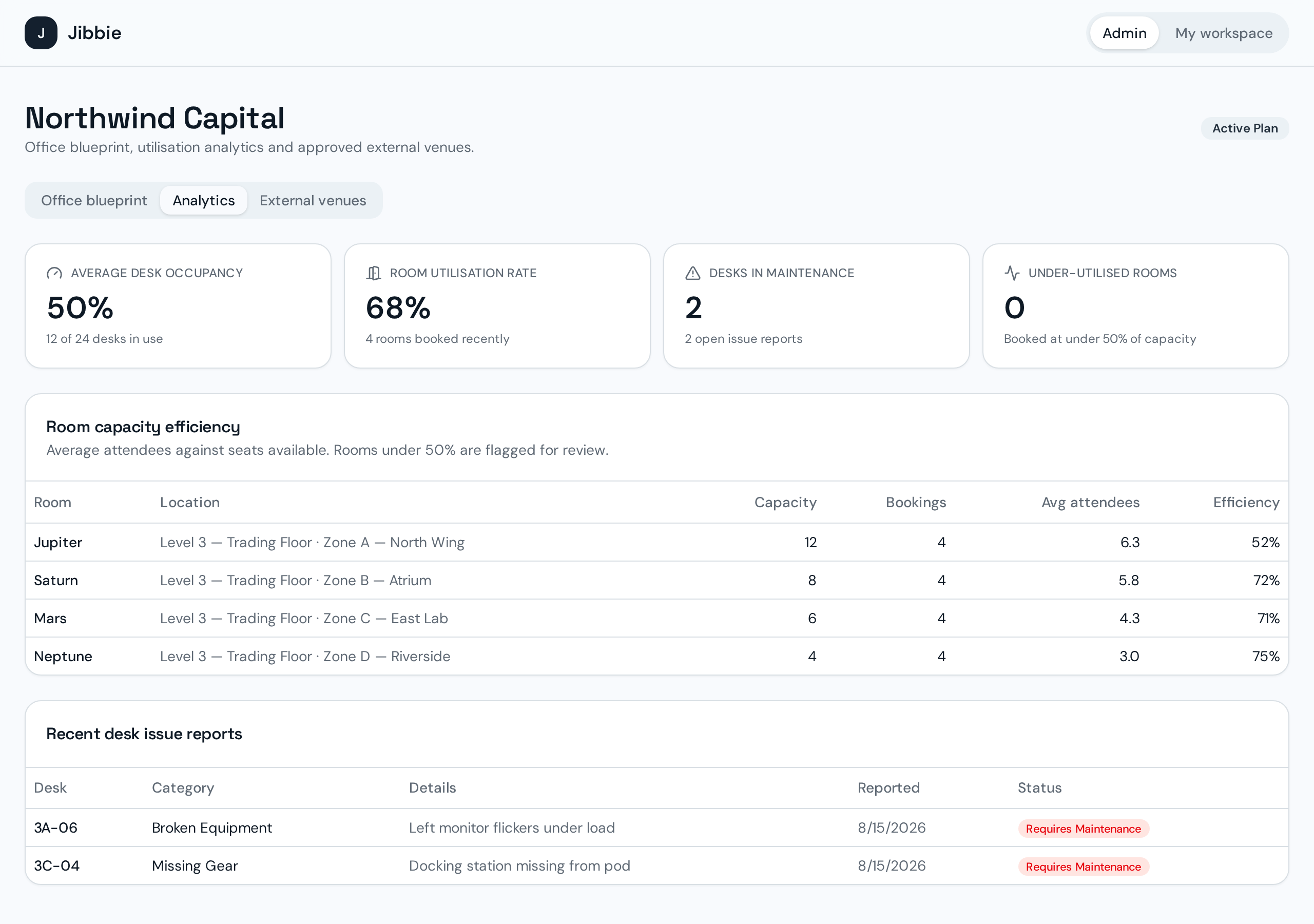
Every booking is scored on booked capacity versus real attendance.
Because matching is automated, utilisation data is a by-product rather than a project. Facilities teams see which rooms are habitually over-booked, which are dead space, and where a wall should move.
Talk to us
Tell us how your offices work today and we will show you what zero-decision seating looks like on your floor plan — including the utilisation numbers you would be able to report on in week one.
Prefer email?
hello@jibbie.co.ukEvery enquiry lands with our team and we reply within one business day.